Games Made by One Person: Stories That Inspire
Stardew Valley, Papers, Please and Undertale were built almost single-handedly. Three solo dev stories, lessons for small teams and honest indie market data.

Published on 6 min
On this page
Creating a game entirely on your own is neither an urban myth nor an easy shortcut. Standout hits like Stardew Valley, Papers, Please, and Undertale were built almost single-handedly, requiring months or years of intense work. Below, we look at three developers, the figures behind their milestones, and an honest question that post-mortems often skip: what does solo game development truly demand?
One person, a focused vision, and one computer. That is how projects that reshape an entire market often begin. These examples do not offer an off-the-shelf blueprint, but they show how disciplined decisions help small projects reach completion.
Why solo developer journeys capture our attention
Major commercial productions deploy hundreds of developers and multi-million-dollar budgets. When a title that players spend hundreds of hours enjoying turns out to have been built on a single desk, it challenges common assumptions. The takeaway is rarely that anyone can easily repeat the feat. Behind each breakthrough lie years of sacrifice, countless revisions, and long stretches of uncertainty. Let us explore three celebrated games, followed by a look at the commercial landscape they entered.
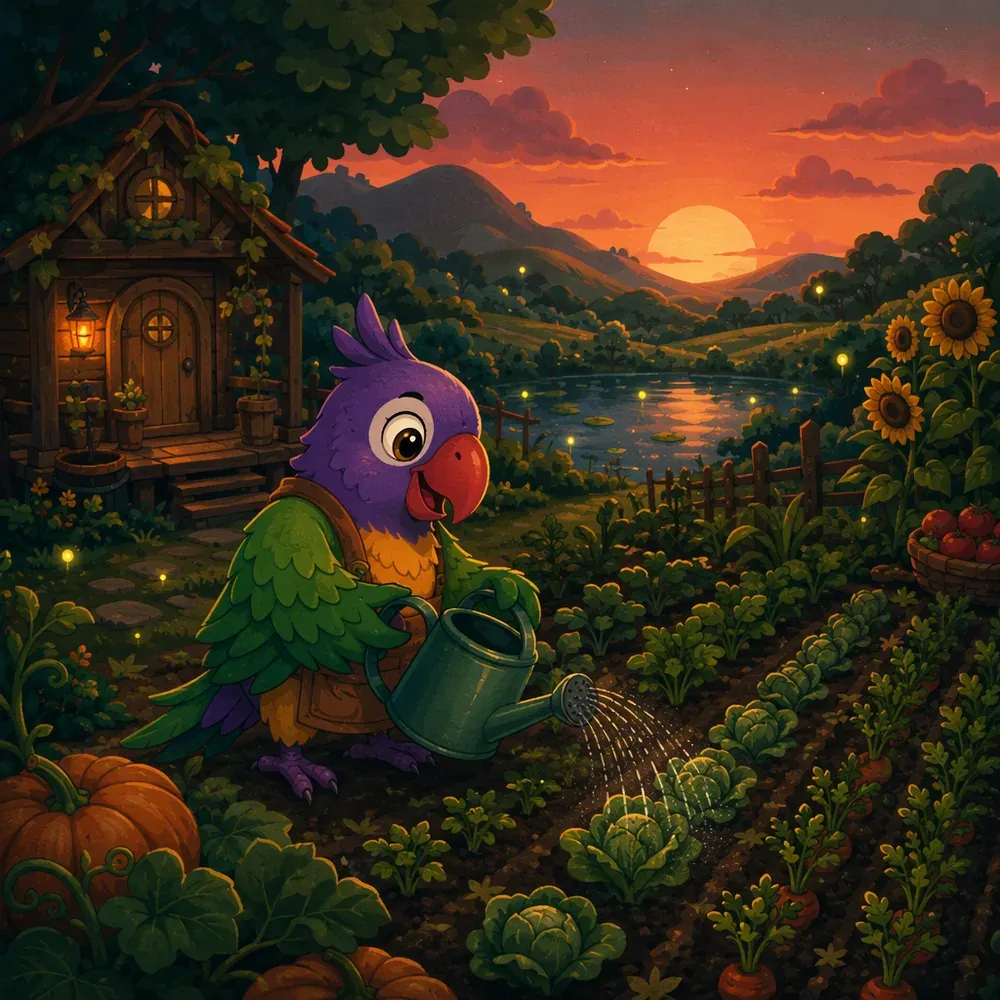
Stardew Valley: four and a half years of full-time focus
In 2012, Eric Barone (known online as ConcernedApe) set out to build a portfolio project as a loving tribute to the Harvest Moon series. Four and a half years later, working long hours seven days a week, he launched Stardew Valley. He created everything on his own: code, pixel art, animations, and the entire soundtrack.
Its February 2016 launch became an instant sensation. Wikipedia figures indicate sales of 425,000 copies in the first two weeks alone. By late 2024, lifetime sales reached 41 million units, and in early 2026 Barone announced that the game had surpassed 50 million copies sold worldwide.
The key takeaway is not that one person easily outperforms a studio. It is that defining a manageable scope, polishing it thoroughly, and supporting it over many years creates lasting success. Barone continued delivering major free updates long after launch, preserving community loyalty across a full decade.
Papers, Please: the strength of minimal mechanics
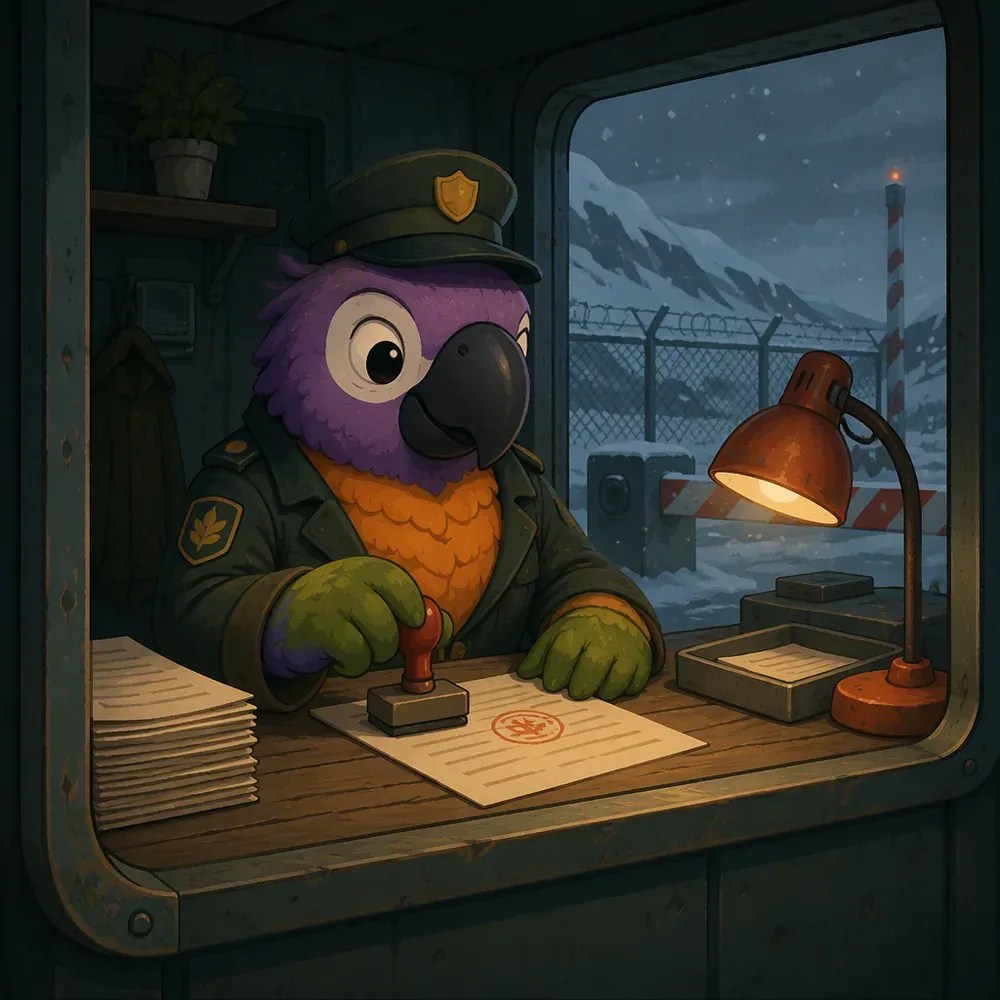
Lucas Pope, formerly a developer at Naughty Dog, began his solo project in late 2012. He initially planned to complete it in just a few weeks. Instead, he spent nine months refining the code, playtesting demos, and sharing his progress on the TIGSource forums.
Released in August 2013, Papers, Please puts the player in the shoes of an immigration inspector at a border checkpoint in the fictional country of Arstotzka. Checking passports and verifying stamps turned out to be an engrossing psychological experience. The New Yorker and Wired named it the best game of 2013, and by 2023 the title had sold over 5 million copies. Strict technical constraints and working solo became creative assets rather than limitations.
Undertale: heartfelt storytelling over flashy graphics
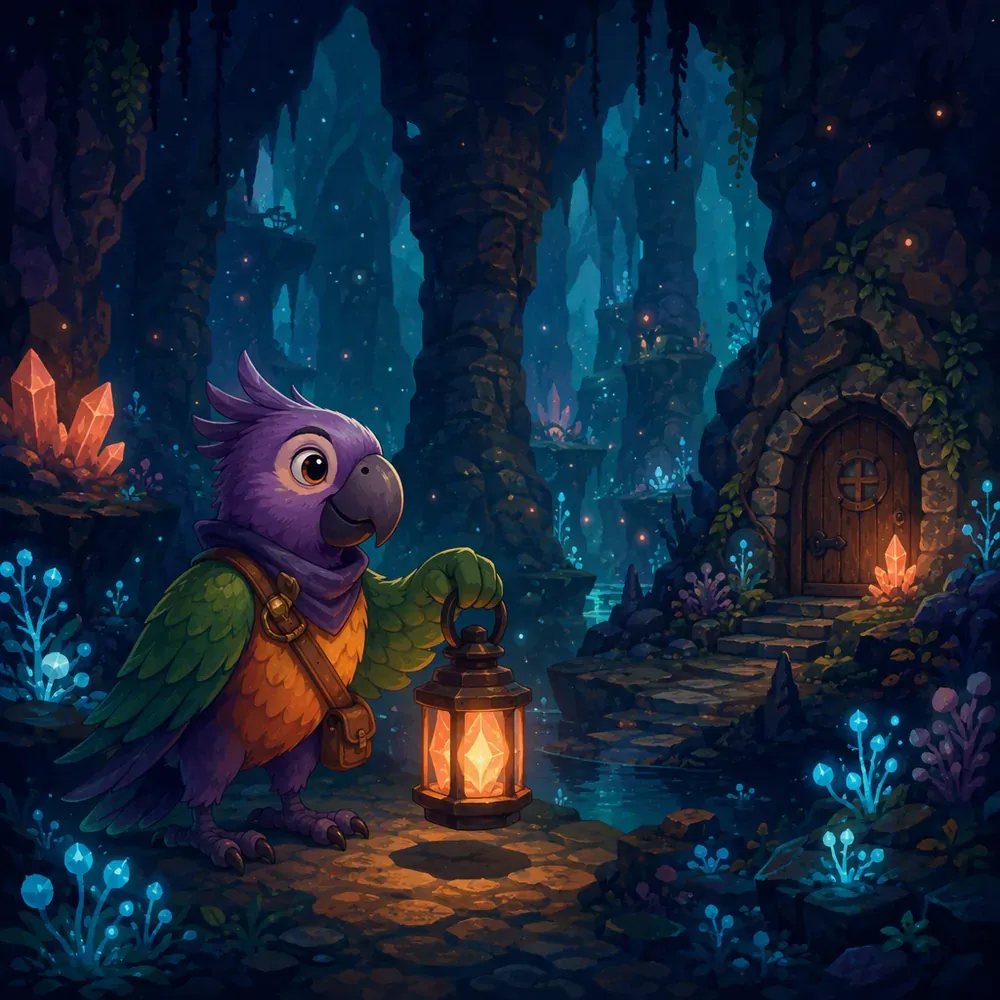
Toby Fox launched his Kickstarter campaign in June 2013 with a modest goal of $5,000, ultimately raising over $51,000. Fox wrote the script, composed the music, and programmed the game, collaborating with artist Temmie Chang on visual design.
Its September 2015 debut proved the power of an original concept: a role-playing game where every conflict can be resolved non-violently. Without a corporate marketing budget, it captured millions of players and won the GameFAQs Best Game Ever poll.
Three solo games compared
| Game | Creator | Development time | Milestone |
|---|---|---|---|
| Stardew Valley | Eric Barone (ConcernedApe) | 4.5 years | Over 50 million copies sold |
| Papers, Please | Lucas Pope | 9 months | Over 5 million copies sold |
| Undertale | Toby Fox | 2 years and 3 months | Over $51,000 raised on Kickstarter |
What these successes have in common
- A well-defined scope: each creator held a clear picture of the finished product from the beginning.
- Patience and consistency: months or years of dedicated work without shortcuts.
- A distinct identity: authentic style and voice rather than an attempt to mimic big-budget productions.
These principles do not guarantee commercial success on their own, but they create the discipline needed to bring an ambitious indie project to the finish line. To see how one idea becomes a playable prototype before any code, read where game ideas come from.
Indie market realities
In 2024, Steam welcomed roughly 18,000 new releases. Analysis by VG Insights shows that hobbyist creators and one- to two-person teams account for only about 8 percent of overall indie revenue, and only 0.5 percent of games pass one million dollars in revenue. These figures highlight why the stories above are inspiring exceptions rather than everyday norms.
For independent teams, the sensible strategy is clear: keep costs low, validate gameplay with real players early, and build around a focused mechanic. The mobile puzzle market operates on similar principles: competition is fierce, and games succeed by pairing an accessible rule with genuine respect for the player.
Frequently asked questions
How long does it take to make a game alone?
It depends entirely on the game scope. Papers, Please took Lucas Pope nine months, Undertale required just over two years, and Stardew Valley took Eric Barone four and a half years of full-time development.
Can an individual developer achieve commercial success?
Yes, but breakout hits are rare. Solo and two-person teams generate roughly 8 percent of indie revenue on Steam. Finishing a polished, enjoyable game with a clear identity is an achievable goal; banking on an instant bestseller is not.
How many copies has Stardew Valley sold?
The game sold 425,000 copies in its first two weeks and crossed 50 million lifetime sales across all platforms by early 2026.
Is developing a game solo worth it?
It is worthwhile if you can maintain a disciplined scope and realistic budget. The developers above succeeded because they saw a focused vision through to completion, not because they chased fleeting trends.
A focused game with a clear promise
The journeys of Stardew Valley, Papers, Please, and Undertale prove that authentic passion and clear design can stand out in a crowded market. They also underline the importance of realistic planning.
At Psittacus, we embrace that same philosophy. Our debut game, Polydocu, is built around a classic rule anyone can grasp right away. We created a complete sudoku guide so new players can jump in with confidence. The board is designed for comfortable one-handed play, as detailed in our accessibility guidelines. A close-knit team, a clear promise, and relaxing gameplay without artificial timers.
If you would like to explore our take on puzzle adventures, join the waitlist for Polydocu.
Sources and further reading:
- Eric Barone (Wikipedia)
- Stardew Valley (Wikipedia)
- Stardew Valley 10-year anniversary (ConcernedApe)
- Statista: Stardew Valley lifetime unit sales
- VGChartz: Stardew Valley sales top 50 million units
- PC Gamer: Eric Barone interview
- Papers, Please (Wikipedia)
- Game Developer: Papers, Please sales milestone
- Kickstarter: Undertale
- Polygon: Undertale wins the GameFAQs Best Game Ever poll
- Toby Fox (Wikipedia)
- Game World Observer: VG Insights indie revenue report
- Shahriyar Shahrabi: The 2024 Indie Game Landscape
We build games in a small team for the same reasons
A clear scope, distinct character, and genuine respect for the player instead of corporate checklists. Polydocu is our debut: sudoku in the jungle without paywalls. Join the waitlist and we will notify you at launch.
One email at launch, no spam.